
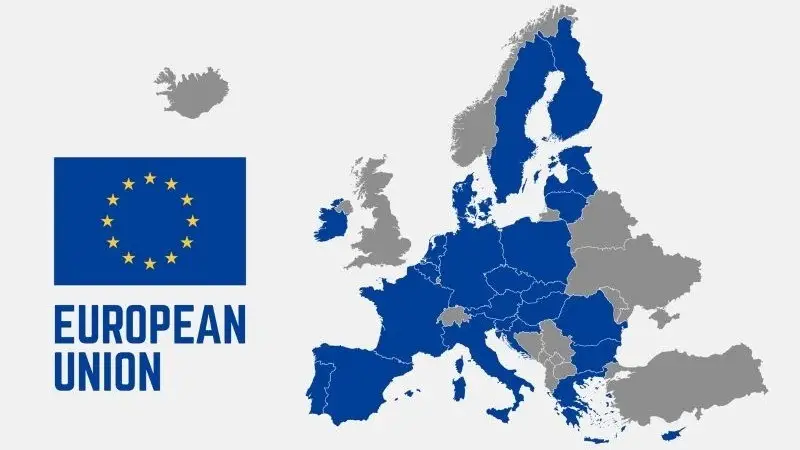




For more than a decade, Europe defined the global benchmark for residency- and citizenship-by-investment pathways. Investors saw the continent not only as a gateway to lifestyle and mobility, but as a reliable, rules-based environment in which long-term strategic planning could take place. Yet as Europe investment migration in 2025 enters a new phase, the map looks markedly different from just a few years ago.
A combination of political pressure, regulatory reform, and landmark court decisions has tightened the landscape — but not erased it. While Europe is undeniably cracking down, it is also reshaping itself around programs that prioritize economic substance, transparency, and long-term contribution. For serious investors, opportunity still exists; it has simply moved.
A Shift Driven by Courts, Brussels, and National Politics
The turning point arrived with the European Court of Justice’s 2025 ruling against Malta’s citizenship-by-investment program — the last of its kind in the EU. Rather than a single-country issue, the judgment landed as a continental message:
European citizenship must be earned, not purchased.
In parallel, member states — responding to EU guidance and domestic political pressures — have been reforming or retiring programs once considered staples of investment migration. The result is a coordinated tightening that reflects Europe’s evolving stance on integrity, security, and alignment with broader EU values.
The era of quick-access passports is over. The era of structured, compliant residency is what comes next.
What Remains Standing: Europe’s Viable Residency Programs in 2025
Despite the crackdown, several robust and strategically valuable residency-by-investment (RBI) programs continue to operate — many strengthened, not weakened, by reform.
Portugal: A Rebalanced but Resilient Model
Portugal remains a leading destination through its regulated fund investment route and job-creation models, even after eliminating direct real estate paths. The program’s transparency, oversight, and five-year citizenship track continue to attract global investors.
Greece: Accessibility Paired With Strategic Mobility
Greece maintains one of Europe’s most accessible residency routes, starting from €250,000, with upgraded compliance and due diligence. Investors retain Schengen mobility and the option of EU citizenship after seven years of legal residence.
Italy: The Quiet Magnet for High-Net-Worth Families
Italy’s Investor Visa has emerged as a favorite among private clients seeking lifestyle, tax optimization, and a stable EU base. With options from €250,000 in innovative startups, Italy bridges lifestyle with opportunity.
Hungary: Central Europe’s Newcomer
Relaunched in 2024, Hungary’s Guest Investor Program emphasizes investment funds rather than real estate, aligning with EU trends and offering a fresh alternative for investors seeking Central European access.
Malta: Residency Still Open Under EU-Compliant Frameworks
While Malta’s citizenship-by-investment is discontinued, its residency programs remain active, structured, and compliant — offering a viable route for those seeking EU footholds without a citizenship guarantee.
These programs share a common thread: compliance over convenience, economic substance over passive capital.
Programs That Have Disappeared — or Won’t Return
Several once-popular European pathways now belong firmly to history:
- Spain formally ended its Golden Visa in 2025, citing housing market pressures.
- The Netherlands closed its investor residence permit in 2024.
- Cyprus Citizenship, once the fastest EU passport, remains permanently suspended.
- Malta’s CBI program, the final EU citizenship-by-investment route, is now incompatible with Union law.
The message is clear: Europe is moving away from transactional mobility models.
The New Direction: From Transactional to Transformational Migration
Investment migration in Europe is no longer about capital alone. The emerging expectation is impact — innovation, entrepreneurship, job creation, and alignment with Europe’s long-term priorities.
Expect future programs to emphasize:
- Venture capital participation
- Green transition and sustainability funds
- Startup and innovation ecosystems
- Strategic industries and research development
- Genuine economic contribution over passive real estate investment
This shift elevates the sector and separates serious investors from opportunists.
For global families and advisors, the opportunity lies not in exploiting loopholes but in understanding where the system is headed — and positioning ahead of the curve.
Where Strategic Opportunity Still Exists in 2025
While the map has narrowed, genuine opportunity remains in programs that:
- Offer long-term stability
- Demonstrate clear regulatory alignment
- Provide Schengen or EU mobility
- Support structured tax and succession planning
- Deliver predictable residency or citizenship timelines
Portugal, Greece, Italy, Hungary, and Malta each provide viable pathways — not for fast-track passports, but for legitimate, compliant EU integration.
For investors willing to adapt to the new reality, Europe remains open.
Final Thought — Europe Isn’t Closing; It’s Evolving
Europe’s 2025 investment migration landscape is not defined by loss, but by transformation. The continent is prioritizing integrity and alignment, ensuring its programs serve long-term national and EU interests.
For investors, the shift represents a recalibration — not a retreat.
The key question is no longer “Where can I buy a passport?”
It is now:
“Where can I build a secure, compliant, future-proof global footprint?”
For those ready to navigate this new era, strategic opportunity still exists — and Global Freedom Capital is here to guide you through it.