
The New Geography of Work and Life
A decade ago, the idea of taking your laptop to a beach in Portugal, a rooftop in Malta, or a quiet village in Spain belonged mostly to travel bloggers and early tech nomads. Today, it’s a mainstream question for globally mobile professionals: “If my income is global, why shouldn’t my lifestyle be global too?”
Remote work has evolved from an experiment into a permanent infrastructure of modern life. At the same time, more entrepreneurs, executives, and families are re-thinking where they want to live, educate their children, and build resilience into their lives. For many of them, mobility is no longer about “leaving” one country. It’s about expanding their worldand designing a life that balances work, wellness, opportunity, and freedom.
This is where digital nomad visas (DNVs) have become one of the most flexible tools in the global mobility toolbox. They offer a low-commitment way to experience another country, without immediately restructuring your business, employment, or long-term residency plan.
In this article, we’ll look at what digital nomad visas are, how they work in 2025, which destinations are attracting the most interest, and—most importantly—how they fit into a broader residency and citizenship strategy.
What Is a Digital Nomad Visa?
A digital nomad visa is typically a temporary residence permit that allows you to live in a country while continuing to work remotely for a foreign employer, your own company, or global clients. You don’t need to transfer your employment to the destination country; your income remains “global,” but your day-to-day life becomes local.
In practice, most digital nomad visas in 2025 share some common features:
- Initial 1-year residence, often renewable
- Minimum income requirements, usually proven via employment or business income
- Eligibility for spouses and children, allowing families to relocate together
- Access (formal or practical) to schools, healthcare, and local services
- In some jurisdictions, tax advantages for qualifying remote workers
Conceptually, digital nomad visas are best understood as bridges—flexible, lightweight, lifestyle-driven structures. In most cases, they do not directly lead to citizenship, and only some can evolve into long-term residency. For many people, that is precisely their value: they allow you to try a global lifestyle before committing to a full relocation strategy.
Why High-Performing Professionals Choose Digital Nomad Visas
For Global Freedom Capital clients, the motivations behind exploring digital nomad visas are rarely superficial. They are deeply personal, and often strategic:
- Educational exposure
“I want my children to experience another culture.” - Lifestyle upgrade
“I want to spend a year in a country where I feel more alive.” - Reducing pressure without reducing income
“I need distance from the intensity of the U.S. lifestyle.”
“I want to reduce my cost of living without reducing my income.” - Testing a region before a larger commitment
“I want to test Europe before I commit to a long-term residency program.”
In this sense, mobility has become lifestyle architecture. You are not simply adding a second home; you are adding a second option—a different health system, school system, tax environment, and daily rhythm to your life.
For globally minded professionals, digital nomad visas in 2025 offer a structured way to explore that second option without prematurely locking into a major investment or permanent move.
Leading Digital Nomad Visa Destinations in 2025
Below is a non-exhaustive look at several destinations where the digital nomad ecosystem is not just tolerated—it is actively encouraged. Figures are indicative and should always be verified against current regulations before applying.
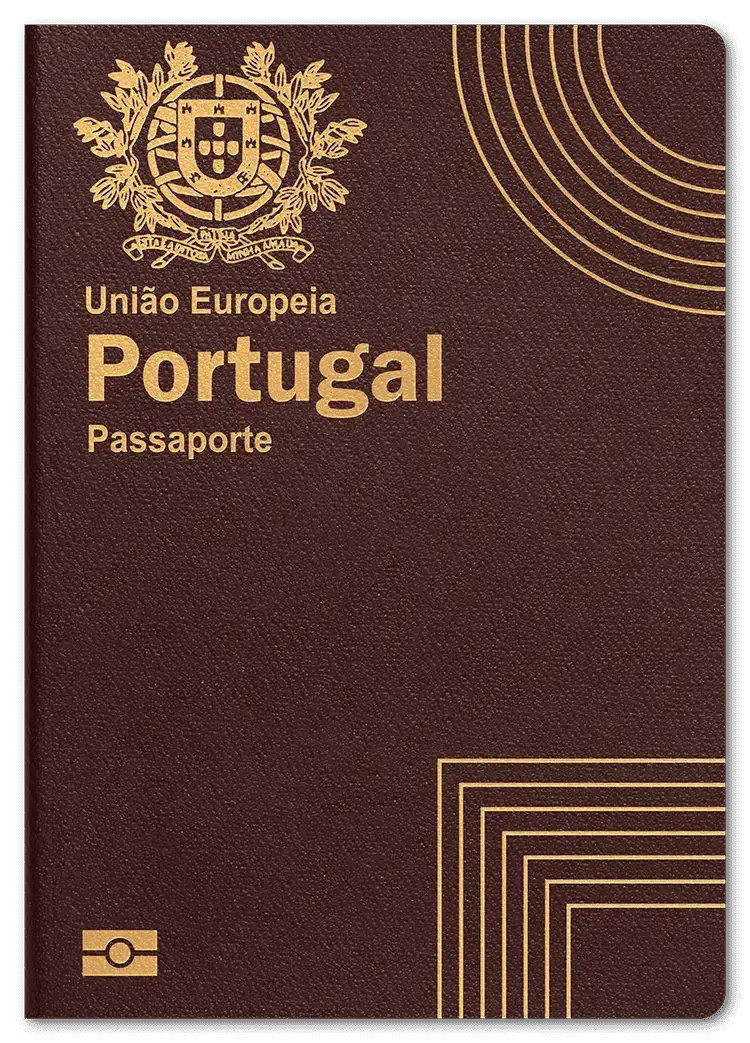
Portugal: Lifestyle, Ocean, and a Clear Pathway
Portugal’s framework for remote workers has become one of the world’s most sought-after options. Clients are drawn to the country’s safety, climate, food, and understated charm—qualities that often turn a “one-year experiment” into a long-term story.
Key features highlighted by current rules:
- Approximate income requirement: €3,280 per month
- 1-year residence, renewable
- Path to permanent residency and citizenship after 5 years (subject to meeting requirements)
For Americans and other non-EU nationals, Portugal is often the first serious step into European life—an attractive combination of lifestyle, legal clarity, and long-term possibility.
Spain: Culture, Colour, and a New Nomad Regime
Spain’s digital nomad framework has generated considerable momentum, particularly among those who want vibrant urban life, Mediterranean coasts, and sophisticated culture.
Indicative features:
- Income requirement around €2,520 per month
- Preferential flat tax regime for certain remote workers
- Residence renewable up to 5 years, with potential long-term residency options
From Barcelona and Madrid to Valencia, Marbella, and the Balearic Islands, Spain appeals to those who value energy, creativity, and cultural richness in their daily environment.
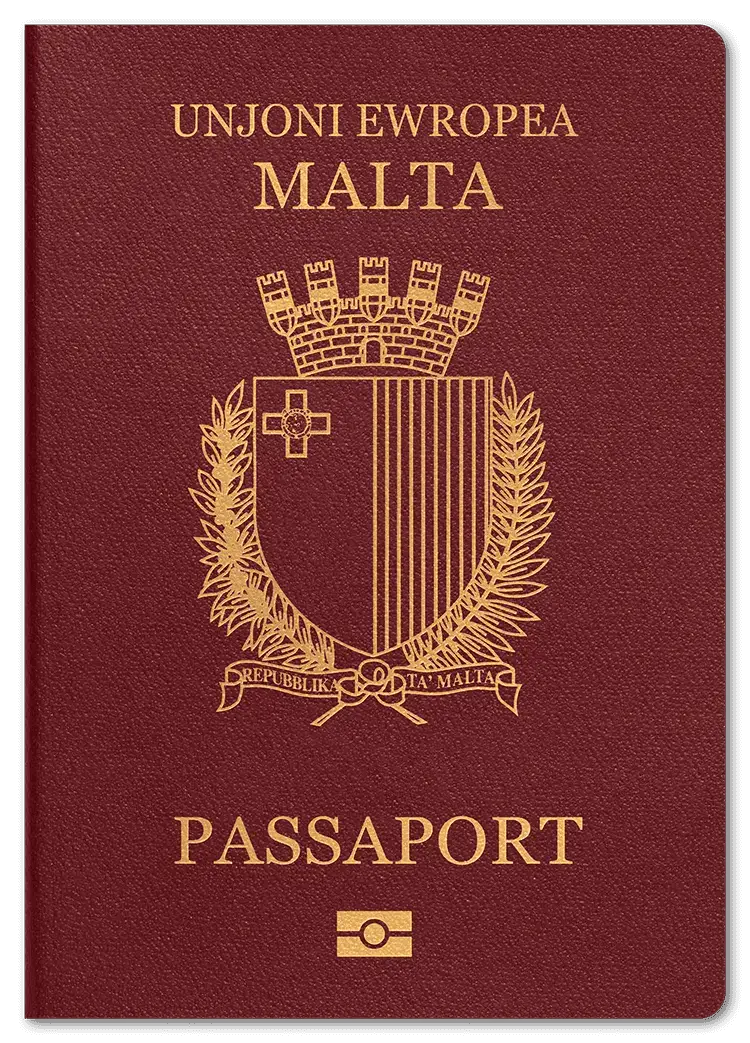
Malta: English-Speaking Hub at the Heart of the Mediterranean
Malta’s Nomad Residence Permit is particularly attractive for professionals who want the advantages of EU living without an EU language barrier. It has become a natural base for founders, location-independent executives, and those in fintech and digital industries.
Typical parameters:
- Income requirement: about €2,700 per month
- 1-year permit, extendable
- Family inclusion permitted
- Strong digital and financial ecosystem
Malta works well for those looking for a stable, English-speaking platform with solid connectivity to Europe, the Middle East, and North Africa.
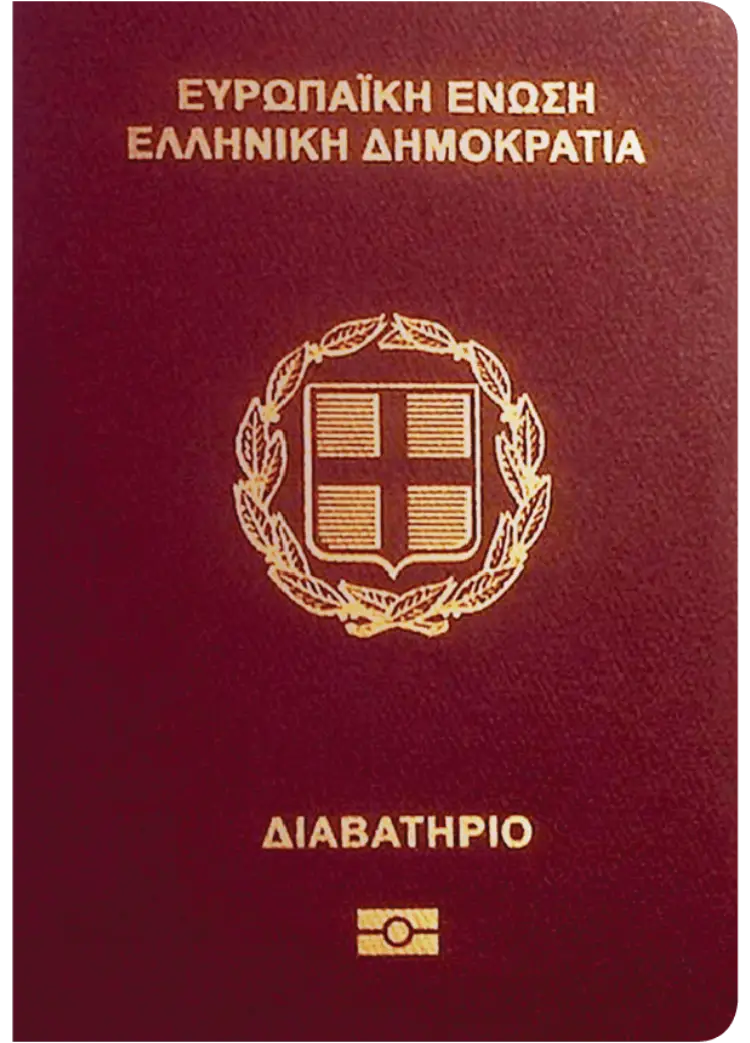
Greece: Beauty, Balance, and Slower Mornings
Greece’s digital nomad structure tends to attract people who want to decelerate. Clients often describe it as a place to restore their health, reclaim time, and enjoy natural beauty while keeping their careers fully active.
Key features include:
- Income requirement: approximately €3,500 per month
- 1-year visa, renewable in multi-year cycles
For many, Greece becomes more than a temporary escape—it becomes a place to reconnect with themselves while maintaining professional momentum.
Georgia: Early-Career and Tech-Friendly
Georgia has positioned itself as a practical, accessible entry point for younger remote workers and freelancers. Its digital-nomad-friendly stance and growing tech community make it an appealing option for those at the earlier stages of their careers.
- Income requirement roughly around $2,000 per month
- Stays of up to 1 year possible
Cayman Islands and Caribbean Remote Work Programs: Luxury and Strategy
For higher-income remote professionals, the Cayman Islands offer a premium environment with zero income tax, high safety, and a polished lifestyle. Indicative requirements include:
- Income requirement: approximately $8,333 per month
- Permission to stay for up to 2 years
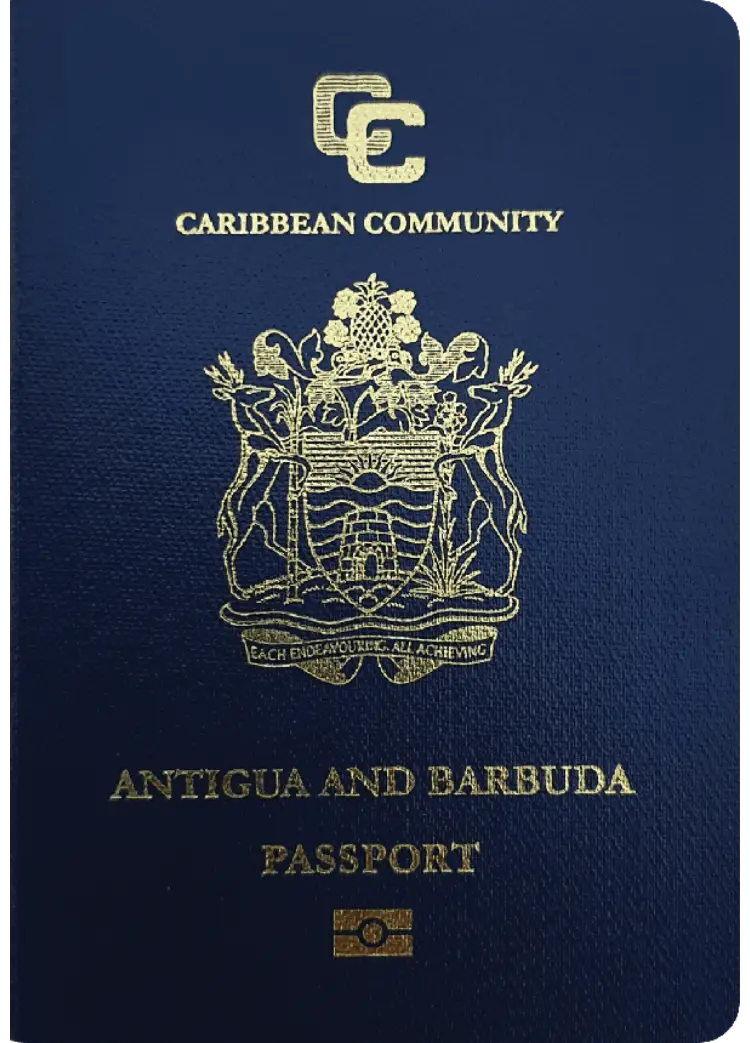
More broadly, several Caribbean jurisdictions now offer remote work programs that can be combined with Citizenship by Investment (CBI). For the right profile, this combination can form a powerful long-term mobility strategy—pairing short-term lifestyle flexibility with a second passport and expanded travel freedom.
Where Digital Nomad Visas Fit in a Global Mobility Strategy
At Global Freedom Capital, we rarely see digital nomad visas as a complete solution. Instead, we position digital nomad visas in 2025 as tactical stepping stones within a longer, more robust plan.
A digital nomad visa can be a powerful tool if you want to:
- Test a country before making a material property or investment commitment
- Take a sabbatical or life pause without halting your income
- Explore life abroad with your family in a structured way
- Add diversification of residence without immediately changing tax residency
- Avoid rushing into a long-term visa before you’re emotionally or financially ready
It also combines elegantly with more permanent structures such as:
- Portugal residency and investment routes
- Malta Permanent Residency
- Greece Golden Visa and other investment programs
- Caribbean Citizenship by Investment
In other words, digital nomad visas are not replacements for residency or citizenship by investment. They are bridges—tools that allow you to move, observe, and experience, while you design the long-term architecture of your life.
Is a Digital Nomad Visa Right for You?
Whether digital nomad visas in 2025 are right for you depends less on the marketing headline of a program and more on your underlying objectives:
- Are you seeking permanent access to a region, or temporary exploration?
- Is your priority tax optimization, lifestyle, education, or security?
- Do you want a single base abroad, or a portfolio of residencies and passports over time?
For some, a digital nomad visa is enough: a year or two overseas, then a return home with new perspective. For others, that initial move becomes the first chapter in a broader transformation—leading to a European residence permit, a second citizenship, or a truly multi-jurisdictional lifestyle.
We are clearly entering an era where citizenship, residency, lifestyle, and work are no longer neatly aligned with a single country. Digital nomad visas allow you to step into that reality carefully and intentionally, asking a simple but profound question: “Where do I feel most alive?”
How Global Freedom Capital Can Help
If you are considering a digital nomad visa, the visa itself is only one part of the decision. You also need to think about:
- Immigration, tax, and compliance implications
- Family considerations: schooling, healthcare, support networks
- How a short-term move fits into a five- to ten-year global mobility strategy
At Global Freedom Capital, we help clients align digital nomad visas, residency by investment, and citizenship by investment into a coherent plan that matches their values, risk profile, and long-term goals.
If you’re exploring a digital nomad lifestyle or wondering how it fits into a deeper plan for residency or citizenship, we invite you to schedule a confidential strategy consultation. Together, we can design a mobility roadmap that gives you not just a new view from your desk, but a new level of freedom, resilience, and choice.